
Southeast Asia’s New Student Mobility Reality: Shaped by Economic Uncertainty and Global Tensions
Over the past 12 months, one of the strongest trends we have observed is that student behaviour is changing rapidly under the pressure of economic uncertainty and growing geopolitical instability.
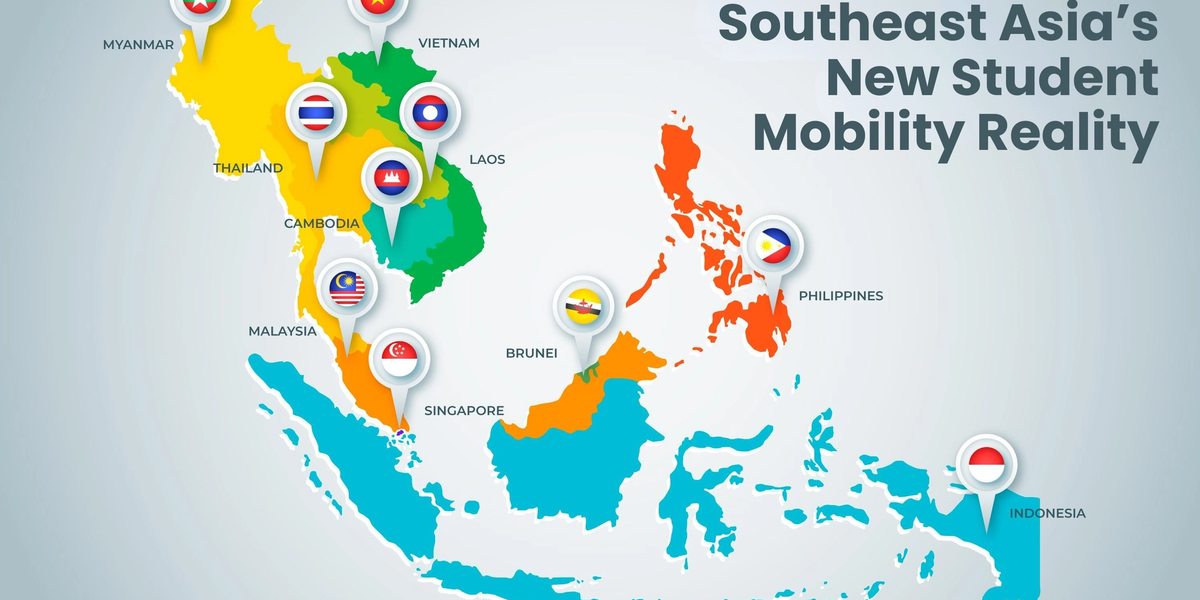
Over the past 12 months, one of the strongest trends we have observed through Achieva AI conversations and AIG‘s frontline recruitment activities with high school students across Southeast Asia is that student behaviour is changing rapidly under the pressure of economic uncertainty and growing geopolitical instability.
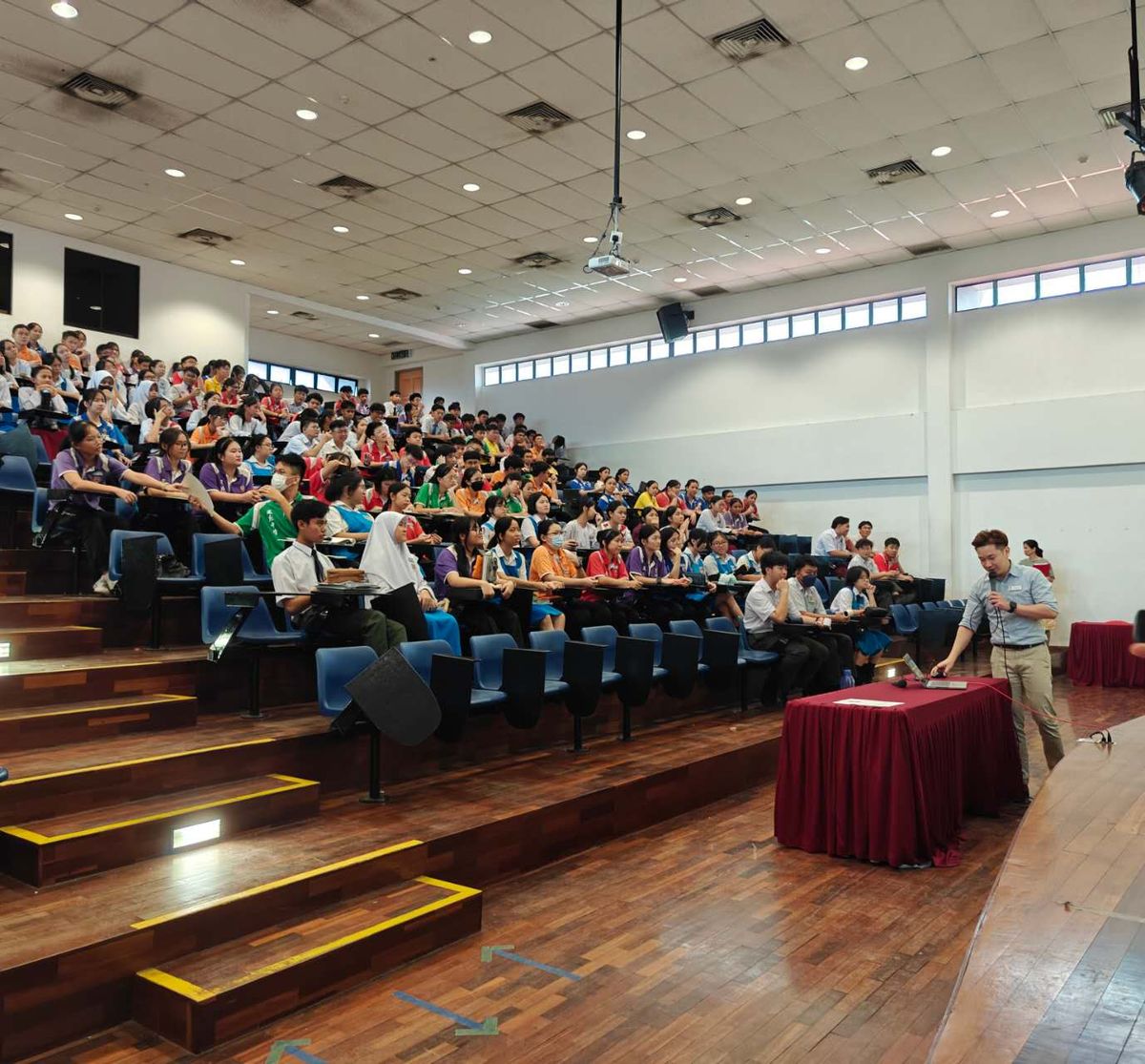
Families are becoming far more cautious, emotional, and practical about overseas education decisions than before.
The combination of global economic slowdown, inflation, currency pressure, ongoing wars, and tensions between major countries is creating a very different mindset among students and parents across the region. International education is still highly desirable, but it is no longer viewed as a straightforward aspiration purchase. It is now being treated as a major financial and life-risk decision.
In previous years, students often prioritised university rankings and prestige almost unconditionally. Today, the conversation has shifted dramatically.
The questions we hear most frequently from students are no longer simply:
“Which university is ranked higher?”
Instead, they are:
- “Is this country still safe?”
- “Will migration policies suddenly change?”
- “Can my family still afford the full journey if the economy worsens?”
- “What happens if geopolitical tensions escalate further?”
- “Will there still be jobs after graduation?”
- “Is there a lower-risk pathway to achieve the same outcome?”
This behavioural shift is becoming increasingly visible across Southeast Asia.
Economic Downturn Is Creating a More Conservative Student Market
The current economic climate is one of the biggest drivers behind this change.
Across many ASEAN countries, middle-class families are under increasing financial pressure. Inflation, weaker local currencies, slower business activity, and uncertainty around future income are making overseas education significantly more expensive and psychologically riskier than before.

Families are now evaluating international education much more carefully:
- total tuition costs,
- visa fees,
- accommodation expenses,
- work opportunities,
- migration outcomes,
- and overall return on investment.
Through Achieva AI conversations, we are seeing students become substantially more price sensitive. Many are openly comparing countries not only by education quality, but by financial survivability.
This is especially true among students who would traditionally target Australia, the UK, or Canada. Even relatively affluent families are becoming more cautious about committing to large international education expenses during uncertain economic conditions.
Global Tensions and Wars Are Influencing Perceptions of Safety and Stability
At the same time, geopolitical tensions and global conflicts are also influencing mobility decisions more than ever before.
Ongoing wars and increasing tensions between major powers are creating anxiety among parents and students throughout Asia. Even when conflicts are geographically distant, they affect confidence, economic sentiment, migration policies, and perceptions of long-term stability.
Families are increasingly prioritising destinations that feel:
- politically stable,
- socially safe,
- economically resilient,
- and less exposed to geopolitical volatility.
This is one of the reasons Australia and New Zealand continue to maintain strong long-term appeal in the region. Compared to many larger global destinations, ANZ is still perceived as relatively safe, peaceful, and geographically closer to home.
However, perception also matters enormously.
Australia and New Zealand Are Now Being Viewed Differently
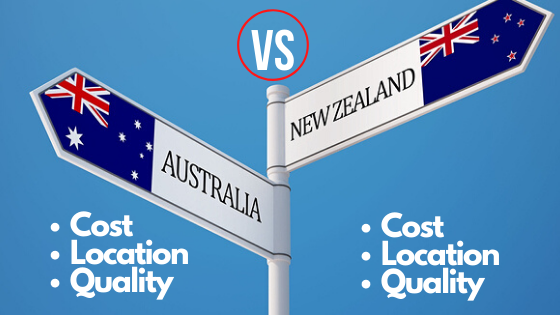
Australia continues to hold enormous advantages with globally ranked universities, strong employability outcomes, and deep connections with Asia. It remains one of the most desired destinations for Southeast Asian students.
However, through our student engagement activities, we are also seeing growing concerns around:
- rising student visa fees,
- higher visa refusal rates,
- stricter migration narratives,
- and increasing uncertainty around future policy direction.
Many students now perceive Australia as becoming harder, more expensive, and less welcoming than before. Whether fully accurate or not, this perception is influencing decision-making.
In contrast, New Zealand is increasingly being viewed as calmer, safer, and more approachable. Students frequently describe New Zealand as a destination that feels:
- less politically tense,
- more welcoming,
- easier to navigate,
- and emotionally safer during uncertain global times.
This does not mean New Zealand has overtaken Australia in brand strength. Australia still carries stronger global recognition overall. But in today’s environment, emotional comfort and policy certainty are becoming far more influential factors than they were previously.
TNE and Offshore Education Are Growing Because Families Want Lower Risk
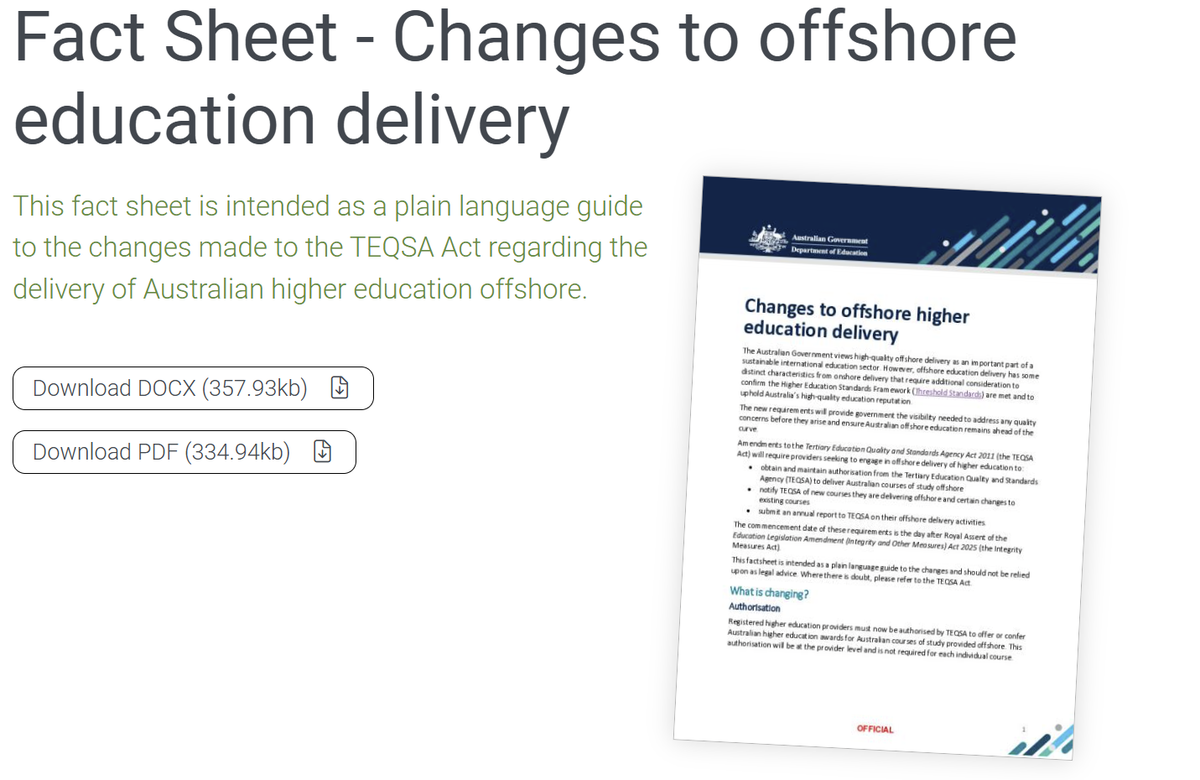
Another major trend emerging from the current environment is the rapid growth of TNE (Transnational Education), offshore campuses, and articulation pathways.
Families increasingly want flexibility and risk reduction.
Rather than committing immediately to a full overseas degree, many students now prefer to:
- start locally,
- study through offshore delivery models,
- or transfer internationally later when economic or political conditions improve.
This allows students to reduce financial exposure while still accessing internationally recognised qualifications.
We are seeing growing interest in:
- offshore Australian programs,
- articulation pathways,
- dual-degree structures,
- and regional education hubs such as Malaysia and Singapore.
In many ways, TNE is becoming a strategic response to global uncertainty.
The Industry Must Shift from Volume to Suitability
The international education sector is also entering a period where governments are prioritising quality and suitability over sheer recruitment volume.
Institutions increasingly need students who are:
- genuinely prepared,
- financially capable,
- aligned with career outcomes,
- and more likely to succeed long term.
This is exactly why platforms like Achieva AI are becoming increasingly important in the current environment.
Through suitability filtering and intelligent matching, the focus is no longer simply about recruiting more students. It is about helping institutions identify students whose expectations, financial realities, migration goals, and academic preparedness genuinely align with the pathways being offered.
In an era shaped by economic uncertainty and geopolitical instability, matching the right student to the right pathway is becoming critical for:
- student success,
- provider sustainability,
- compliance integrity,
- and long-term sector confidence.
A Major Opportunity Still Exists for ANZ

Despite all the current challenges, there remains a major opportunity for Australia and New Zealand.
As global uncertainty rises, Southeast Asian families are increasingly valuing:
- safety,
- stability,
- employability,
- transparency,
- and realistic outcomes.
ANZ continues to possess many of these strengths. However, success moving forward will depend less on aggressive recruitment volume and more on understanding the new psychology of students and families.
The future of international education will belong to providers and countries that can position themselves around:
- trust,
- clarity,
- flexibility,
- and suitability.
And from what we are observing directly through Achieva AI conversations and AIG recruitment activities, this shift is already well underway across Southeast Asia.